
Tracking your business mileage is a great way of claiming mileage expenses against your income, and will cover vehicle costs associated with using your vehicle.
A mileage claim will cover vehicle expenses such as petrol, insurance as well as servicing and maintenance costs. Here are some of the best ways to track business mileage.
Best ways to track my business mileage
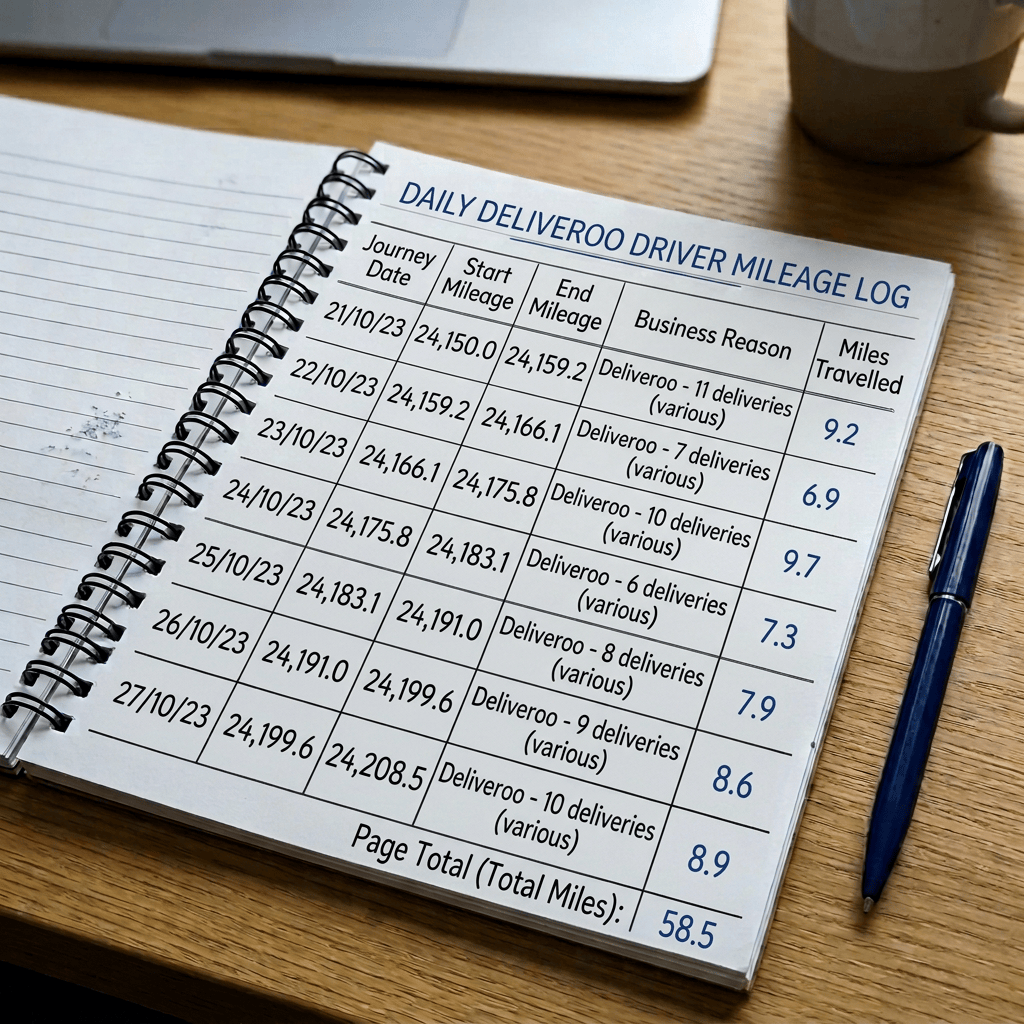
Tracking mileage in a book is a great way to keep good records of journeys. You can reset your mileage odometer at the start of a shift, for example if you work for Deliveroo or when you set off from the depo after collecting your parcels from Amazon Flex. Once you finish your journey you then record the mileage at the end of your shift.
If you have a business trip you might reset your mileage odometer when you leave home or the office and record the mileage at the end of that journey, as well as giving the reason for travel. The log could look something like this:
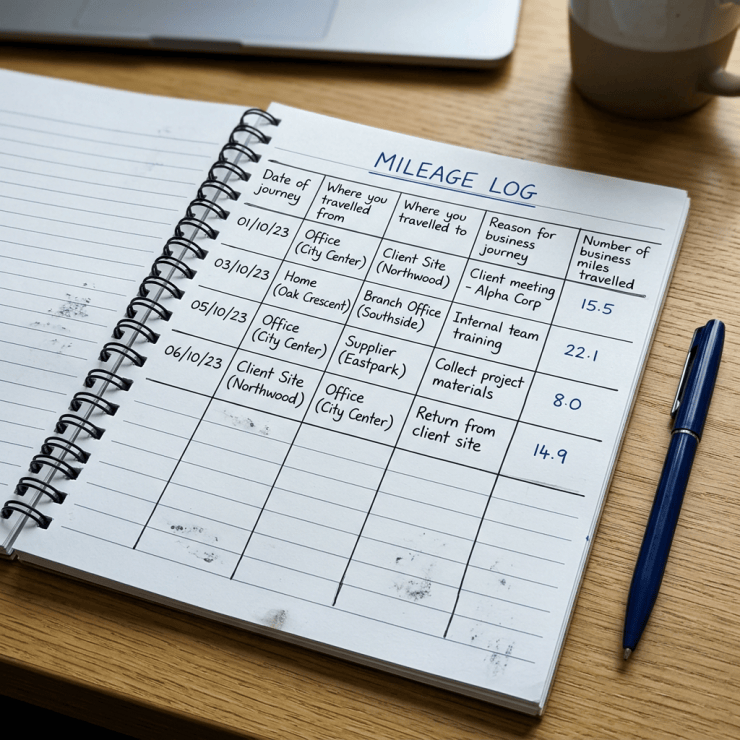
Its important to include:
- Date and time
- Location (where you travelled from)
- Destination (where you travelled to)
- The number of miles covered.
If you work as delivery driver for companies such as Deliveroo, Just Eat or Amazon Flex you may want your mileage log to look a little bit like this:
Mileage claims are an expense claim against your business, so HMRC expects you to be able to demonstrate the journeys you have taken. Importantly without accurate records you may not:
- Be able to claim a mileage allowance on your self-assesment tax return
- Without accurate records, you will end up paying more tax.
- HMRC will reject unverified mileage claims, which could result in fines.
keeping records as you go is much easier than trying to record all your journeys at the end of the year, which is especially important for delivery drivers who have a lot of vehicle costs. Some recent good news is the change to the 55p mileage rate for delivery drivers which will cover the increased cost of petrol and diesel, which has significantly increased over the past few years.
Other ways to track your business mileage
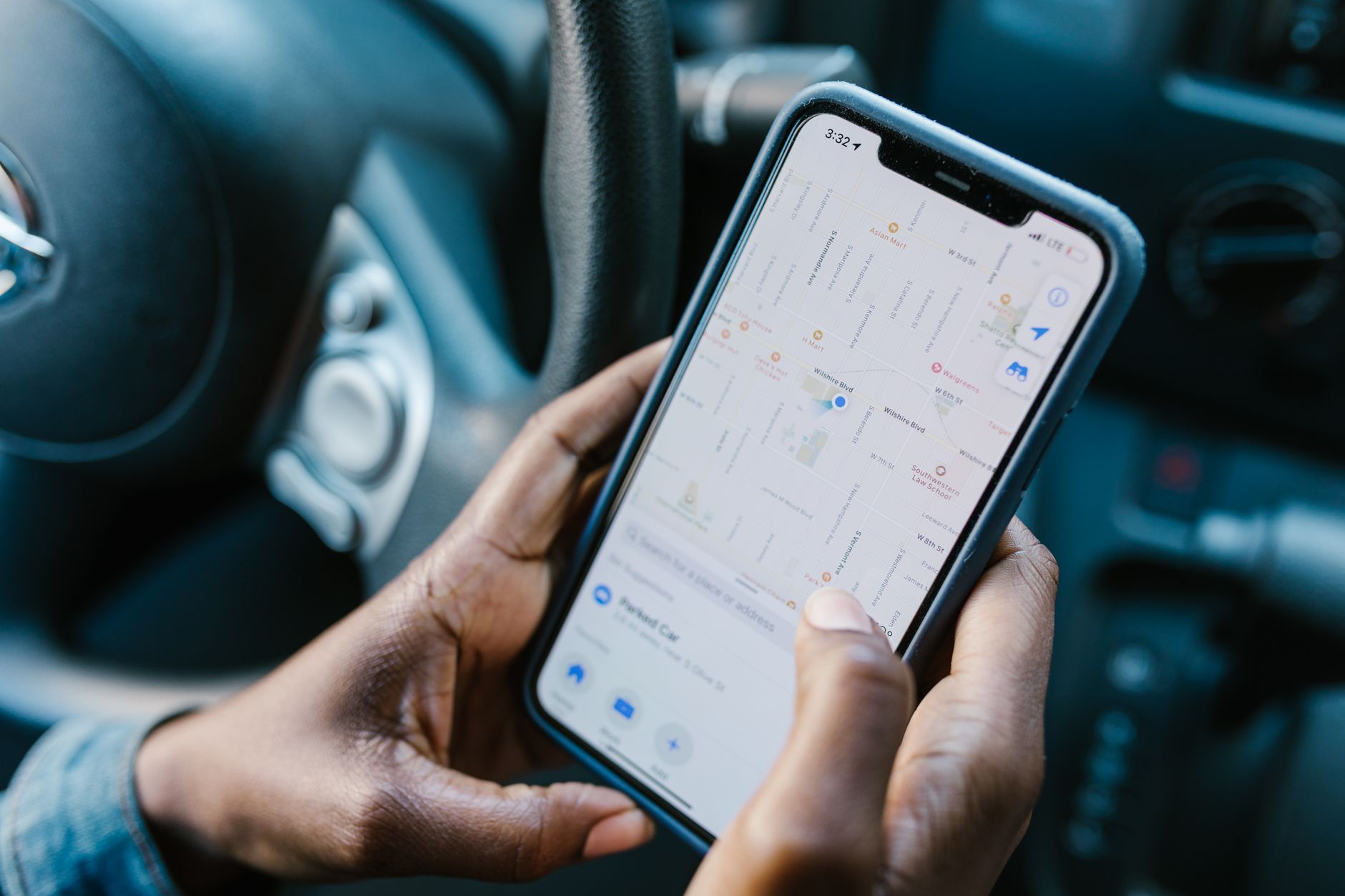
There are other means of recording your vehicle mileage and its best to figure out what best works for you. These may include:
- A mileage tracking app on your phone
- A spreadsheet or Excel document is great because it can be done on your phone.
- Using an annual diary is a much simpler way of recording mileage, as the dates are already there.
- If you have a tracking device to prevent theft of your vehicle, you may be able to get your weekly or monthly mileage totals from there.
The impotant thing to remember is that you must only record permitted vehicle travel. Claiming mileage you do for social or personal usage is not aloud.


